



Are MRI Results Immediate After the Scan?
In most outpatient situations, MRI results are not immediate. When doctors refer to MRI results, they are not talking only about the images.
MRI results consist of:
- Hundreds or sometimes thousands of detailed images
- Multiple imaging sequences
- A formal written radiology report
- Diagnostic impressions and recommendations
The images are only one part of the final result. The most important component is the radiologist’s interpretation.
Why MRI Images Are Instant but Results Are Not
- The scanner captures images in real time
- Data processing is automatic
- Interpretation requires specialized medical training
- Subtle abnormalities must be carefully evaluated
Unlike blood tests or basic X‑rays, MRI findings are often complex and require meticulous review.
24/7 MRI Consultation Service
Upload your MRI scans anytime and receive professional interpretation within hours. No waiting, no hassle.
Do You Get MRI Results the Same Day?
Do you get MRI results the same day? The answer depends on the medical context.
When Same‑Day MRI Results Are More Likely
- Emergency room settings
- Suspected stroke or brain bleed
- Acute spinal cord compression
- Severe trauma
- Sudden neurological deficits
- Hospitalized or inpatient cases
In these situations, MRI scans are marked as urgent, and radiologists prioritize reporting.
In neurological emergencies, particularly when brain tumors or acute neurological symptoms are suspected, rapid MRI interpretation is critical, as discussed in more detail in Brain Tumors and Medical Imaging.
Typical MRI Result Timeline
For most non‑emergency outpatient studies, MRI reporting usually follows this timeline:
- Image acquisition: Immediate (during the scan)
- Initial review: Within several hours
- Final signed report: 24 to 72 hours
Some specialized exams may take longer due to complexity.
Why MRI Interpretation Takes Time
Volume of Data
Each MRI exam produces:
- Multiple anatomical planes
- Several specialized sequences
- Hundreds of cross‑sectional images
Radiologists must review all of them methodically.
Complexity of Soft‑Tissue Evaluation
MRI excels at showing soft tissue details, which also means:
- Normal variations must be distinguished from disease
- Small lesions require careful measurement
- Subtle signal changes need experience to interpret
This careful approach improves accuracy and patient safety.
Correlation With Clinical Information
Radiologists do not read MRI scans in isolation. They consider:
- Patient symptoms
- Physical exam findings
- Past medical history
- Prior imaging studies
This integrated approach improves diagnostic reliability but adds time.
How the Type of MRI Affects Reporting Speed
Faster Reporting Exams
- Knee MRI
- Shoulder MRI
- Simple joint imaging
- Routine follow‑up scans
Slower Reporting Exams
- Brain MRI
- Spine MRI
- Abdominal and pelvic MRI
- Prostate and breast MRI
More complex anatomy naturally requires more time.
Medical Imaging Second Opinion
Question your diagnosis? Get an independent review from experienced radiologists for any type of medical scan.
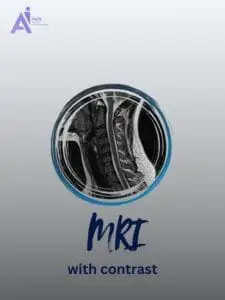
Does MRI With Contrast Take Longer to Report?
Yes, often it does.
Contrast‑enhanced MRI adds:
- Pre‑contrast image review
- Post‑contrast evaluation
- Analysis of enhancement patterns
- Comparison across sequences
While contrast improves diagnostic accuracy, it increases reporting complexity.
Radiologist Availability and Workload
MRI turnaround time is influenced by:
- Number of scans performed daily
- Availability of subspecialty radiologists
- Time of day or week
- Holidays and weekends
High workload environments may have longer turnaround times unless cases are urgent.
Can Patients Request Immediate MRI Results?
Patients can ask questions, but expectations should remain realistic.
You may:
- Ask how long results usually take
- Inform staff if symptoms are severe
- Ask whether your case is urgent
- Ask how results will be delivered
However, final prioritization is always based on medical necessity.
Preliminary Findings vs Final MRI Report
Preliminary Observations
In emergency settings, major abnormalities may be communicated quickly to physicians.
Final Report
The official report:
- Is reviewed and signed by a radiologist
- Becomes part of the medical record
- Is used for treatment decisions
Patients should rely on this final report rather than informal comments.
Why Speed Is Not Always Better in MRI Reporting
Faster reporting is not always safer reporting.
Rushed interpretation increases the risk of:
- Missed small lesions
- Overcalling normal findings
- Incorrect conclusions
High‑quality MRI interpretation balances speed with careful analysis.
MRI Results in Emergency Departments
In emergency settings:
- Images are reviewed almost immediately
- Critical findings are verbally communicated
- Written documentation follows shortly after
This workflow is reserved for life‑threatening or urgent conditions.
How Digital Imaging Has Improved MRI Turnaround
Modern imaging centers use:
- Digital workflows
- Structured reporting templates
- Quality‑assurance systems
- Remote expert interpretation
These advancements help reduce delays while maintaining diagnostic accuracy.
What Patients Should Do While Waiting for MRI Results
Waiting for results can be stressful. Helpful steps include:
- Avoid searching symptoms online excessively
- Follow your doctor’s instructions
- Ask when and how results will be shared
- Seek medical care if symptoms worsen
Waiting is a normal part of responsible medical care.
Common Concerns About MRI Result Delays
“Does waiting mean something is seriously wrong?”
No. Delays most often reflect standard workflow.
“Can results change after review?”
Occasionally, additional comparison or peer review may refine findings.
“Should I call repeatedly?”
It is reasonable to follow up, but repeated calls rarely speed up reporting.
MRI Results and Legal Medical Standards
Medical imaging reports must:
- Meet professional documentation standards
- Be clinically defensible
- Avoid ambiguous language
- Provide clear conclusions
These requirements add necessary rigor to the process.
How Doctors Use MRI Results
Doctors use MRI reports to:
- Confirm or exclude diagnoses
- Guide treatment plans
- Decide on surgery or medication
- Monitor disease progression
- Evaluate treatment response
Accuracy is essential for correct clinical decisions.
Scientific Perspective on MRI Reporting Time
Radiology guidelines emphasize:
- Adequate reading time
- Structured reporting
- Error reduction strategies
- Patient safety over speed
Medical literature consistently supports careful interpretation.
Expert CT Scan Analysis
Board-certified radiologists review your CT images and provide comprehensive reports you can actually understand.
Conclusion
So, are MRI results immediate? In most routine situations, no. Although MRI scanners create images instantly, careful analysis by a radiologist takes time.
Do you get MRI results the same day? Sometimes. Same‑day results are typically reserved for urgent or emergency cases. For most outpatient MRI exams, results are available within one to three days. Understanding this process helps patients remain informed, confident, and reassured while waiting for accurate results that guide appropriate medical care. Modern imaging centers use digital workflows, structured reporting, and expert interpretation platforms such as online MRI reporting to reduce turnaround time while maintaining diagnostic accuracy.
References
- RadiologyInfo.org
- National Institutes of Health (NIH)
- PubMed – U.S. National Library of Medicine
- Mayo Clinic
- Cleveland Clinic
- American College of Radiology (ACR)