


Alzheimer's Disease Brain Imaging

Alzheimer’s Disease: Why, When, and Who Should Consider Brain Imaging?

Cognitive decline in older adults is often linked to Alzheimer’s disease, but not every case of memory loss or confusion is Alzheimer’s. Many other conditions can mimic its symptoms. That’s why brain imaging is so valuable in making the correct diagnosis.

Brain atrophy, or shrinkage, can affect different brain areas and lead to different patterns of symptoms. Understanding these patterns helps doctors separate Alzheimer’s from other causes of dementia or cognitive decline.

I’m Dr. Vahid Alizadeh. In this article from the “When, Why, Who series“, I’ll explain how imaging helps diagnose Alzheimer’s disease and distinguish it from similar conditions.


👉 Upload Your Brain MRI for Expert Review

Table of Contents

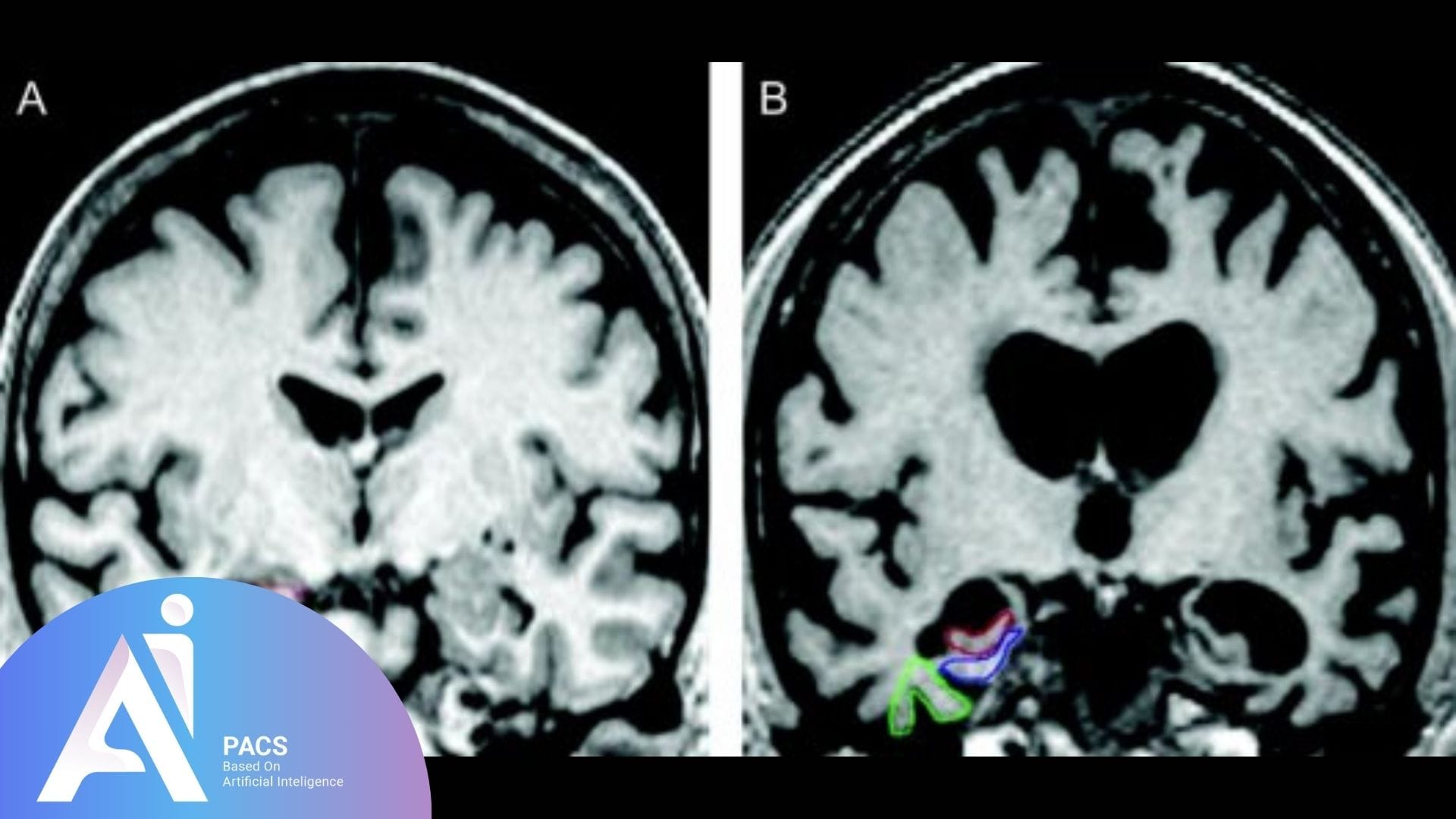
Brain MRI showing coronal slices of the brain, with outlined regions highlighting areas of interest for Alzheimer's disease research and diagnosis.

Why Is Imaging Important in Alzheimer’s and Other Causes of Cognitive Decline?

Brain MRI or CT scans are key tools in assessing structural brain changes. They help identify where atrophy is happening and whether another condition is to blame.

Patterns of Atrophy and Their Meaning:

  • Temporal lobe atrophy, particularly in the **medial part of the temporal lobe** and the hippocampus, is a classic finding in Alzheimer’s disease.
  • Generalized atrophy is commonly observed in aging or advanced neurodegenerative conditions and may also be associated with metabolic or infectious causes.
  • Fronto-parietal atrophy: Suggestive of frontotemporal dementia, but also seen in some psychiatric conditions or vascular disease.

Conditions That Can Mimic Alzheimer’s:

  • Major depressive disorder: Sometimes called” pseudodementia,” Depression can cause attention, memory, and executive function issues that look like early Alzheimer’s.
  • Brain tumors or mass lesions: Tumors in the frontal or temporal lobes can present with symptoms such as memory loss, behavioral changes, or confusion.
  • Infectious or inflammatory diseases: HIV/AIDS can cause diffuse brain atrophy and white matter lesions, leading to cognitive decline.

Without imaging, it’s hard to distinguish these from true Alzheimer’s disease.


Confused by Your CT Scan Report?

Don’t wait weeks for your doctor’s appointment. Get clear, detailed explanations from experienced radiologists within 24 hours.


When Should Brain Imaging Be Considered for Dementia Symptoms?

Early imaging is important when symptoms are new or progressing.

Imaging Is Recommended When Patients Have:

  • Memory problems not explained by age alone
  • Sudden or fast-progressing cognitive changes
  • A history of cancer, immune deficiency, or HIV
  • Symptoms of Depression that don’t improve with treatment
  • Atypical neurological findings on the exam (e.g., motor or sensory loss)

MRI is preferred because it shows greater detail. CT can be useful when an MRI is not available.


Who Should Get Imaging and Expert Review?

Brain imaging is helpful for patients and doctors trying to understand the cause of memory problems.

Imaging Helps Answer Key Questions:

  • Is this Alzheimer’s or another cause?
  • Is there a mass lesion or hydrocephalus?
  • Is this Depression or true neurodegeneration?
  • Is there evidence of infection or white matter disease?

Patients with new, progressive, or atypical cognitive symptoms should be evaluated. So should patients whose symptoms don’t match typical Alzheimer’s progression.

👉 Request an Expert Brain MRI Review
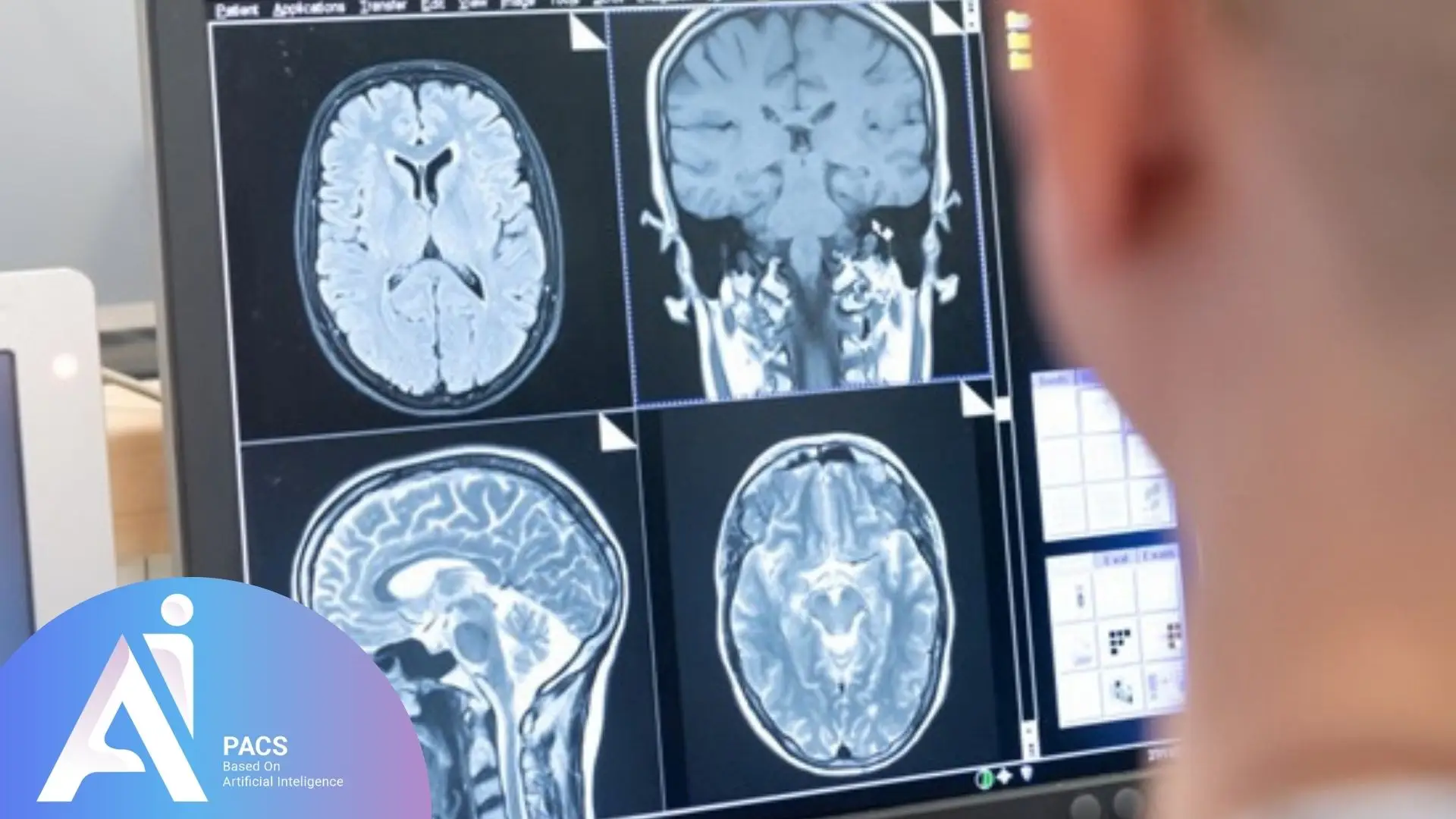
 

A healthcare professional reviewing brain MRI images on a monitor, including multiple views of the brain, likely for assessing Alzheimer's disease progression.

AI-PACS Is With You

If you or a loved one is dealing with memory loss or confusion, getting the right diagnosis is key. AI-PACS.com offers fast and professional second opinions on brain MRI and CT scans for dementia and cognitive disorders.

Our expert radiologists can help clarify whether imaging shows typical Alzheimer’s, a tumor, or other causes of brain atrophy.

Start your review here on AI-PACS online radiology report services


Second Opinion MRI Review

Already have an MRI diagnosis? Confirm your results with an independent review from our radiology specialists.


Final Thoughts

Not all memory loss is Alzheimer’s. Brain atrophy can result from many conditions, including Depression, tumors, infections, and inflammatory diseases like HIV/AIDS.

Imaging helps distinguish between these conditions and ensures that patients receive the proper treatment. With expert review from AI-PACS, you can move forward with confidence and clarity.


FAQs

Why is brain imaging important for diagnosing Alzheimer’s disease?

Brain imaging helps identify structural changes such as temporal lobe and hippocampal atrophy, which are typical in Alzheimer’s disease. MRI or CT can also rule out other causes of memory loss, such as tumors, hydrocephalus, or infections. Without imaging, distinguishing Alzheimer’s from other conditions is difficult.

What types of brain changes can MRI show in cognitive decline?

An MRI can detect patterns such as medial temporal lobe atrophy, fronto-parietal degeneration, generalized brain shrinkage, white matter lesions, or masses. These findings help determine whether the decline is due to Alzheimer’s, vascular dementia, frontotemporal dementia, or another cause.

When should someone get a brain MRI for dementia symptoms?

Imaging is recommended when memory loss is new, rapidly worsening, or not explained by normal aging. It is also advised when symptoms do not follow typical Alzheimer’s progression, when depression treatments fail, or when there is a history of cancer, HIV, immune deficiency, or neurological abnormalities.

Can other conditions mimic Alzheimer’s symptoms on imaging?

Yes. Depression (“pseudodementia”), brain tumors, infections, inflammatory diseases, and metabolic disorders can produce memory problems and behavioral changes similar to Alzheimer’s. Imaging helps differentiate these conditions by revealing their unique patterns, such as mass lesions or diffuse inflammation.

Should I get a second opinion for a brain MRI related to memory loss?

A second opinion is helpful when the report is unclear or symptoms do not fully match the imaging findings. Expert review can confirm whether the changes are consistent with Alzheimer’s, another neurodegenerative condition, or a reversible cause such as depression or inflammation. It also helps guide appropriate treatment decisions.