





MRI Safety: What You Should Know
MRI safety is based on how powerful magnetic fields and radiofrequency waves interact with the human body. Unlike X‑rays or CT scans, MRI does not use ionizing radiation. Instead, it temporarily realigns hydrogen atoms in your tissues to create highly detailed cross‑sectional images of organs, nerves, and soft tissues.
Because MRI does not involve radiation, it is widely considered one of the safest diagnostic imaging methods available today. Many patient concerns come from misunderstandings about magnets, noise, or long scan durations. Scientifically, MRI technology is designed to be both non‑invasive and biologically safe when standard protocols are followed.
Before every scan, radiology staff carefully screen patients for metal implants, electronic devices, or foreign metal objects. These precautions ensure that the magnetic field poses no risk during imaging.
Are MRIs Safe or Dangerous?
Are MRIs safe?
Yes. MRI is considered extremely safe for the vast majority of patients. It has been used in clinical medicine for several decades across neurology, orthopedics, cardiology, and oncology, with no evidence of long‑term harmful effects from exposure to MRI magnetic fields. These fields do not alter cell structure, damage DNA, or interfere with normal biological processes. Because MRI avoids radiation, it is often preferred for children, pregnant patients (when appropriate), and individuals who require repeated imaging over time.
MRI safety is further supported by strict international standards that regulate scanner strength, exposure limits, and operating procedures. When these standards are followed, MRI examinations remain both reliable and safe.
Are MRIs dangerous?
MRI is not dangerous when proper safety protocols are followed, but risks can arise in specific situations. The strong magnetic field can interact with certain metal objects or electronic medical devices, such as older pacemakers, aneurysm clips, or implanted pumps. This is why thorough pre‑scan screening is essential.
Modern imaging centers require patients to disclose implants, prior surgeries, or metal exposure before scanning. Most contemporary implants are MRI‑compatible, and alternative imaging or safety adjustments can be made when needed. With careful screening and adherence to guidelines, the risks associated with MRI are preventable and rare.
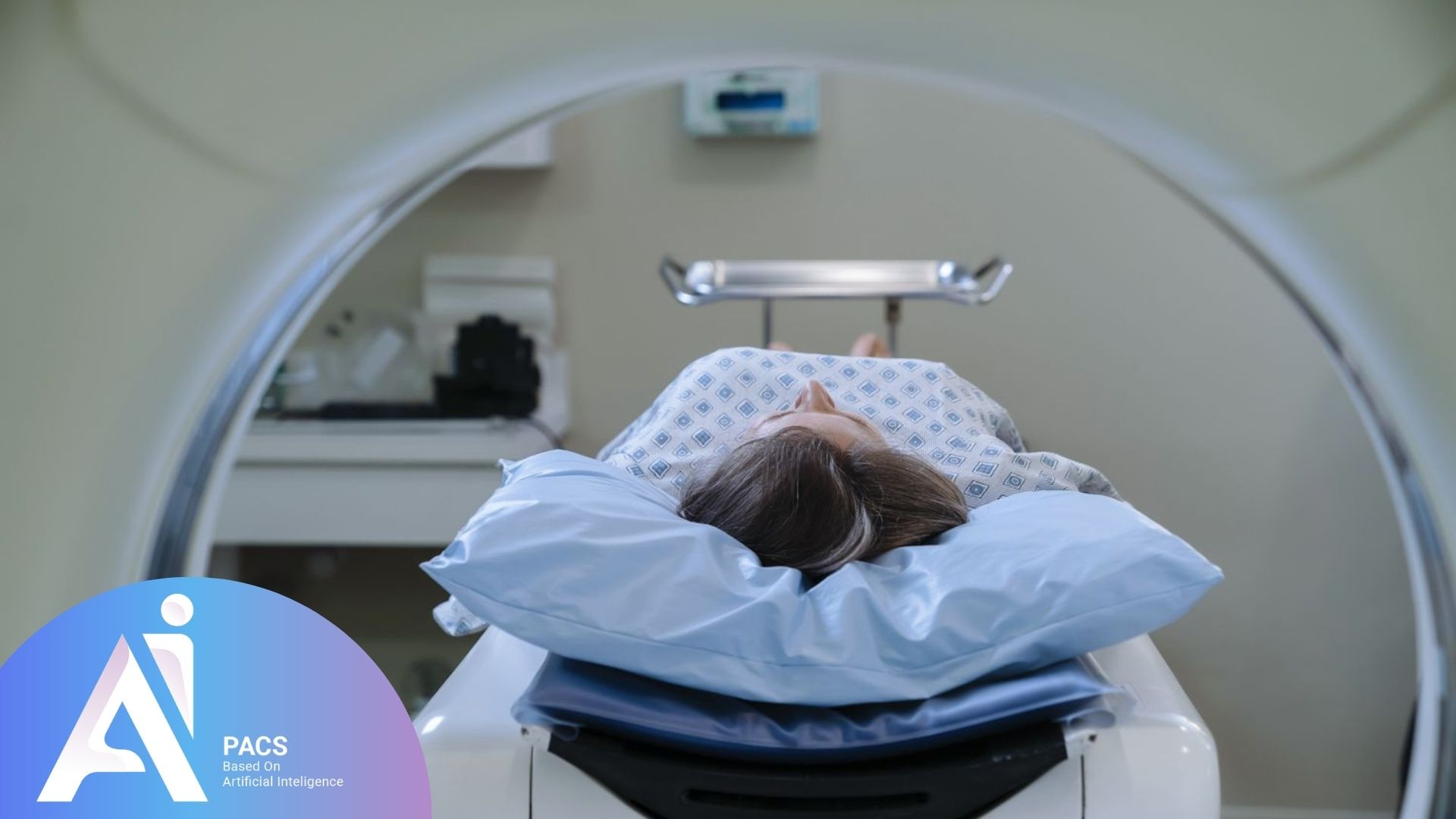
Does MRI Increase the Risk of Cancer?
Concern about cancer risk is one of the most frequent reasons patients feel anxious before an MRI exam. This concern often arises from confusion between MRI and imaging methods that use ionizing radiation, such as CT scans or X‑rays. MRI works in a fundamentally different way.
MRI does not expose the body to radiation at any stage of the imaging process. Instead, it uses a strong magnetic field and controlled radiofrequency pulses to generate images. These radio waves are non‑ionizing, meaning they do not have enough energy to damage DNA or cause cellular mutations. Cancer risk is directly associated with DNA damage, which is why imaging modalities that involve radiation require dose management. MRI does not involve this mechanism at all.
Patients sometimes worry that having multiple MRI scans over time could increase cancer risk. Long‑term research and clinical experience do not support this concern. Even repeated MRI examinations have not been shown to increase the risk of cancer, including brain tumors. MRI fields do not accumulate in the body, and there is no evidence of delayed or cumulative carcinogenic effects.
For these reasons, MRI is frequently chosen for follow‑up imaging and long‑term monitoring, especially in younger patients and those who require repeated evaluations.
Can MRI Cause Hair Loss, Vomiting, or Other Side Effects?
MRI itself does not interfere with hair growth or damage hair follicles in any way. The magnetic field does not affect skin cells or hair roots, so hair loss is not a recognized side effect of MRI examinations.
Some patients report mild nausea or discomfort during or shortly after an MRI. When this happens, it is usually related to anxiety, motion sensitivity, or the administration of contrast agents, rather than the magnetic fields used for imaging. The scan itself is painless, and the majority of patients complete MRI procedures without any physical side effects.
Regarding kidney health, MRI without contrast has no impact on kidney function. In certain cases, a contrast agent may be required to improve image clarity. These agents are generally safe, but patients with severe kidney disease may require special evaluation beforehand. This is why medical history screening is a standard part of MRI preparation. With proper assessment, contrast‑enhanced MRI can be performed safely or avoided when necessary.
Overall, MRI is well tolerated, and serious adverse effects are rare when appropriate safety protocols are followed.
Is MRI Safe During Pregnancy?
MRI is generally considered safe during pregnancy, particularly after the first trimester. Because it avoids radiation, it is often preferred for evaluating neurological or soft‑tissue conditions when imaging is necessary. Contrast agents are avoided unless absolutely essential.
Who Should Be Cautious with MRI?
Some patients require additional evaluation before MRI:
- Those with older pacemakers or defibrillators
- Certain cochlear or neurostimulator implants
- Retained metal fragments from injuries
Modern implants are often MRI‑compatible, but confirmation is always required before scanning.

MRI Noise, Claustrophobia, and Comfort
MRI machines produce loud rhythmic sounds and involve enclosed spaces. Ear protection, open‑bore scanners, and communication with technicians significantly reduce discomfort. These factors affect comfort, not safety.
MRI Preparation Checklist
- Remove all metallic items before scanning
- Inform staff about implants, surgeries, or devices
- Report kidney conditions if contrast is planned
- Follow fasting or medication instructions if provided
- Remain still during imaging for best image quality
To gain a broader understanding of MRI procedures and safety, patients can refer to What Every Patient Should Know
Possible Post‑MRI Sensations
Most patients feel entirely normal after MRI. Some may notice mild warmth, temporary dizziness, or fatigue, all of which resolve on their own. MRI does not cause delayed neurological or systemic effects.
After the Scan: Understanding Your Results
Imaging quality is only part of diagnosis. Accurate interpretation is critical. Many patients seek further clarification when reports feel unclear or overly technical.
If you already have MRI results and want an expert explanation, you can use online MRI reporting. Ai PACS is an online radiology interpretation platform where certified radiologists provide accurate report analysis, second opinions, and diagnostic advisory for MRI, CT scans, mammograms, and X‑rays. For direct feedback, you can also consult Dr. Vahid Alizadeh.