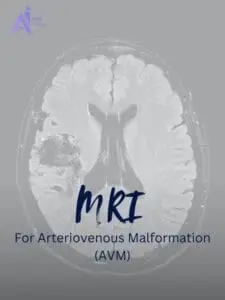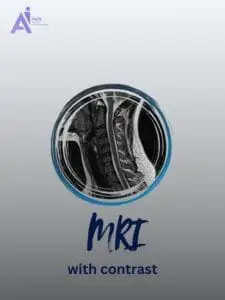

MRI images are available before the final report, but MRI results are not usually immediate. A radiologist needs to interpret the study. When you receive the result also depends on how your imaging center and referring doctor share it. Ask your center for the expected reporting and follow-up times.
Ask about a report for your completed MRI
AI-PACS standard reporting starts from €12 and is typically completed in under 24 hours. Fast Track & Emergency is €49, with a report in about one hour for suitable cases. Some studies need more time; the team determines whether an expedited review is appropriate. An online report does not replace emergency medical care.
Choose the service that fits your situation: If you have the images but no report, see online MRI reporting. If you already have a report and want an independent reread, see MRI second opinion. Diagnostic reporting requires the complete DICOM study; screenshots or a PDF report alone are not enough.
Are MRI Results Immediate After the Scan?
In most outpatient situations, MRI results are not immediate. When doctors refer to MRI results, they are not talking only about the images.
MRI results consist of:
- Hundreds or sometimes thousands of detailed images
- Multiple imaging sequences
- A formal written radiology report
- Diagnostic impressions and recommendations
The images are only one part of the final result. The most important component is the radiologist’s interpretation.
Why MRI Images Are Instant but Results Are Not
- The scanner captures images in real time
- Data processing is automatic
- Interpretation requires specialized medical training
- Subtle abnormalities must be carefully evaluated
Unlike blood tests or basic X‑rays, MRI findings are often complex and require meticulous review.
Do You Get MRI Results the Same Day?
Sometimes, but same-day reporting is not available for every scan. It depends on clinical urgency, the service you use, radiologist availability and whether the study needs further comparison. A report being ready does not always mean that your doctor can discuss it with you that day.
Hospital teams prioritize urgent imaging according to clinical need. If you have sudden or severe symptoms, seek local emergency care rather than waiting for an online report.
For general background on one reason for brain imaging, read Brain Tumors and Medical Imaging. A reporting delay by itself does not identify the diagnosis.
Typical MRI Result Timeline
There are three different stages to consider:
- Scan completion: the imaging center acquires and checks the images.
- Report preparation: a radiologist interprets the study and prepares the findings.
- Receiving and discussing the result: the report is shared with you or your referring doctor, sometimes through a patient portal or follow-up appointment.
There is no single waiting time for every imaging center. For example, NHS patient guidance describes one to two weeks to receive MRI results in its setting. That is a patient-delivery timeframe, not the time a radiologist spends reading every scan. Ask your own service when the report will be ready and how you will receive it.
Why MRI Interpretation Takes Time
Volume of Data
Each MRI exam produces:
- Multiple anatomical planes
- Several specialized sequences
- Hundreds of cross‑sectional images
Radiologists must review all of them methodically.
Complexity of Soft‑Tissue Evaluation
MRI excels at showing soft tissue details, which also means:
- Normal variations must be distinguished from disease
- Small lesions require careful measurement
- Subtle signal changes need experience to interpret
This careful approach improves accuracy and patient safety.
Correlation With Clinical Information
Radiologists do not read MRI scans in isolation. They consider:
- Patient symptoms
- Physical exam findings
- Past medical history
- Prior imaging studies
This integrated approach improves diagnostic reliability but adds time.
How the Type of MRI Affects Reporting Speed
The clinical question, imaging sequences, comparison studies and complexity of the findings can affect the work involved. A scan of one body region is not automatically faster to report than another. Some cases need a specialist review or additional information before the report can be completed.
If you are seeking an independent review, send the full study and any earlier report so the radiologist has the relevant context.
Does MRI With Contrast Take Longer to Report?
Contrast-enhanced studies can include images from before and after contrast administration. The radiologist considers those images together with the rest of the examination. Contrast use alone does not predict when you will receive the report; the clinical question and local reporting workflow also matter.
Radiologist Availability and Workload
MRI turnaround time is influenced by:
- Number of scans performed daily
- Availability of subspecialty radiologists
- Time of day or week
- Holidays and weekends
High workload environments may have longer turnaround times unless cases are urgent.
Can Patients Request Immediate MRI Results?
Patients can ask questions, but expectations should remain realistic.
You may:
- Ask how long results usually take
- Inform staff if symptoms are severe
- Ask whether your case is urgent
- Ask how results will be delivered
Your treating team decides clinical urgency. For a non-emergency independent report, ask whether an expedited service is suitable; it does not replace care from your own medical team.
Preliminary Findings vs Final MRI Report
Preliminary Observations
In emergency settings, major abnormalities may be communicated quickly to physicians.
Final Report
The official report:
- Is reviewed and signed by a radiologist
- Becomes part of the medical record
- Is used for treatment decisions
Patients should rely on this final report rather than informal comments.
Why Speed Is Not Always Better in MRI Reporting
A useful report needs enough time for the radiologist to review the images and available clinical information. Faster delivery is helpful only when the case can be assessed appropriately. A complex study may need more time even when an expedited report was requested.
How Long Do MRI Results Take in the ER?
Emergency departments prioritize imaging and communication according to the patient’s condition. Important preliminary findings may be discussed with the treating team before the final report is completed. There is no guaranteed number of minutes that applies to every emergency MRI.
Ask the team looking after you for an update. If you are not already receiving care and have sudden or severe symptoms, contact local emergency services; do not wait for an online interpretation.
How Digital Imaging Has Improved MRI Turnaround
Modern imaging centers use:
- Digital workflows
- Structured reporting templates
- Quality‑assurance systems
- Remote expert interpretation
These advancements help reduce delays while maintaining diagnostic accuracy.
What Patients Should Do While Waiting for MRI Results
Waiting for results can be stressful. If you want a faster expert review, you can check whether a fast MRI consultation is suitable. Helpful steps include:
- Avoid searching symptoms online excessively
- Follow your doctor’s instructions
- Ask when and how results will be shared
- Seek medical care if symptoms worsen
Waiting is a normal part of responsible medical care.
Have your MRI images ready? You can ask the team about reporting options. Include the complete DICOM study and explain whether you need a first report or a review of an existing report.
Common Concerns About MRI Result Delays
“Does waiting mean something is seriously wrong?”
A delay alone does not tell you whether the result is normal or abnormal. Contact your imaging center or referring doctor if the expected date has passed, and seek medical advice if your symptoms change.
“Can results change after review?”
Occasionally, additional comparison or peer review may refine findings. If you would like added certainty, an independent radiology second opinion can provide an expert review of your study.
“Should I call repeatedly?”
It is reasonable to follow up, but repeated calls rarely speed up reporting.
Understanding the Written MRI Report
A radiology report records the findings and the radiologist’s interpretation. It should be considered alongside your symptoms, examination and other tests. Ask your treating doctor to explain how the findings relate to your care.
How Doctors Use MRI Results
Doctors use MRI reports to:
- Confirm or exclude diagnoses
- Guide treatment plans
- Decide on surgery or medication
- Monitor disease progression
- Evaluate treatment response
Accuracy is essential for correct clinical decisions.
Who Interprets and Shares Your MRI Results?
RadiologyInfo, the patient-information service of ACR and RSNA, explains that a radiologist interprets MRI images and sends a report to the referring physician. A patient portal may also make the report available. Follow-up with your own doctor helps put the result in context.
Conclusion
Are MRI results immediate? Usually not: acquiring images, writing a report and discussing the result are separate steps. Same-day results may be possible, but availability varies. Ask your imaging center for its expected timeframe and contact your doctor if you have concerns while waiting.
If you already have your complete DICOM images and need a first written report, learn about online MRI reporting. If a report already exists, an independent reread is a different service. Neither route replaces urgent in-person care.